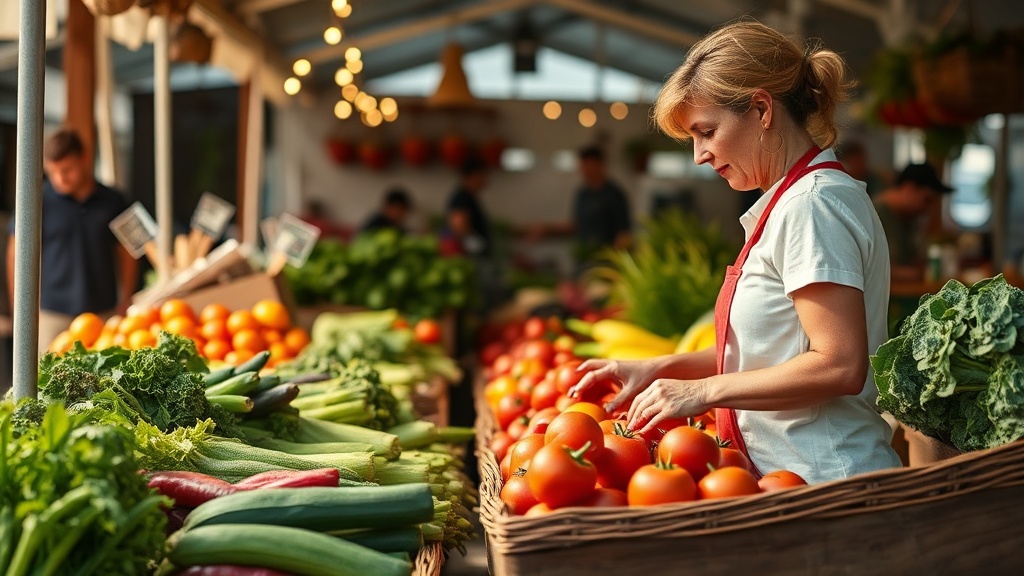
Weekend Farmers Markets and Seasonal Local Produce

It’s 8:30 AM on a Saturday morning in the city, and while the grocery stores are still relatively quiet, the local farmer's markets are already buzzing with activity. You're looking for that specific shade of deep purple heirloom carrots or perhaps a jar of honey that actually tastes like the wildflowers from the previous season. This post looks at the best ways to source seasonal produce across the region, why shopping local matters for our local economy, and how to time your visits to get the best selection.
Shopping at a market isn't just about grabbing a bag of apples; it's about understanding the rhythm of the Quebec growing season. When you buy from a vendor at a local market, you're getting food that was likely harvested within the last 48 hours. That makes a massive difference in flavor and nutritional density.
Where Can I Find the Best Seasonal Produce Near Vanier?
The best seasonal produce is found at specialized seasonal markets, community gardens, and direct-from-farm stands throughout the region. While many people look for large-scale events, the real gems are often the smaller, weekly community markets that pop up in local parks or near transit hubs.
If you're looking for high-quality vegetables, you'll want to check the schedules for the local community markets. These aren't just places to buy food; they are social hubs. You'll see neighbors catching up over a crate of strawberries—it's a staple of the weekend routine here. For those who want to dive deeper into the science of local agriculture, the Agrimonde website offers great insights into the Quebec agricultural sector and its economic impact.
There are a few different types of vendors you'll encounter:
- Small-scale organic farmers: These folks often focus on niche crops like heirloom tomatoes or specific varieties of kale.
- Artisanal producers: Think of the people making small-batch jams, sourdough breads, or aged cheeses.
- Direct-to-consumer meat vendors: You can often find high-quality, pasture-raised meats here that you won't find at the big-box stores.
If you need a caffeine boost while you wander the stalls, don't forget to check out some of the hidden gem bakeries and coffee spots in Vanier nearby. Pairing a fresh croissant with a seasonal fruit bowl is a top-tier Saturday morning move.
How Much Does Local Produce Cost Compared to Supermarkets?
Local produce can sometimes carry a higher upfront price tag than supermarket goods, but the cost-per-use and quality often make it a better value. While a carton of strawberries at a discount grocer might be cheaper, the flavor and shelf-life of market-fresh berries often justify the extra dollar or two.
It’s a common misconception that "local" always means "expensive." In many cases, when a fruit or vegetable is in peak season, the price at the market actually drops significantly. For example, during the height of berry season in July, you can often find much better deals at a local stand than at a premium grocery-store chain.
| Product Type | Supermarket Quality | Farmer's Market Quality | Expected Price Difference |
|---|---|---|---|
| Leafy Greens | Standard/Pre-packaged | Highly Fresh/Varied | +15% to +25% |
| Stone Fruit | Consistent/Durable | Peak Flavor/Seasonal | Variable (depends on season) |
| Root Vegetables | Uniform/Large | Diverse/Natural | Often Lower at Markets |
One thing to keep in mind is the "hidden cost" of supermarket produce. If you buy cheap, out-of-season tomatoes that taste like cardboard, you're essentially wasting your money. A market tomato—one that actually smells like a tomato—is worth the investment.
What is the Best Time to Visit a Farmer's Market?
The best time to visit is usually right at the opening hour to secure the best selection, or about an hour before closing to find the best discounts. If you want the widest variety of produce, arrive early; if you want to save a few bucks, arrive late.
I've noticed a pattern over the years. If you show up at 11:00 AM on a Saturday, the most popular items—like the organic honey or the specific sourdough loaves—are often already gone. It’s a bit of a race. On the flip side, if you're looking for a deal on bulk vegetables, showing up near the end of the market window is a smart tactic. Vendors would much rather sell their last crate of zucchini for a discount than pack it up and take it home.
Here is a quick breakdown of the timing strategies:
- The Early Bird (8:00 AM - 9:30 AM): Best for high-demand items like fresh eggs, bread, and specific seasonal fruits.
- The Mid-Morning Wanderer (10:00 AM - 11:30 AM): Best for a relaxed experience with plenty of stock left.
- The Bargain Hunter (12:00 PM - Close): Best for finding "end-of-day" deals on produce and bulk items.
Don't forget to check the weather. A rainy morning might mean fewer crowds, but it also means fewer vendors willing to set up. Most markets will have an official schedule online, so it's worth a quick check before you head out the door.
Understanding the seasons is also vital. You won't find great corn in May, and you won't find great pumpkins in July. The agricultural season dictates everything. If you try to find summer produce in the middle of a Quebec winter, you'll likely end up with expensive imports that have traveled thousands of miles. That defeats the whole purpose of shopping local, doesn't it?
One of the biggest advantages of shopping by the season is the sheer variety. In the spring, you're hunting for ramps and asparagus. By autumn, the focus shifts to squash, apples, and hearty-root vegetables. This cycle ensures that your diet stays diverse and that you're actually eating what your body needs for the changing weather.
It's also worth noting that local farmers are often more willing to talk to you. If you're not sure how to cook a certain type of squash, just ask. Most vendors are experts in their specific niche and can give you tips on storage or preparation. This kind of knowledge is something you just won't get from a grocery store clerk.
When you shop this way, you aren't just buying food. You're supporting the person who grew it, the person who packaged it, and the local economy that keeps our community vibrant. It's a small habit, but it adds up. Next time you're heading out for your weekly grocery run, consider swapping one supermarket trip for a local market visit. Your kitchen—and your community—will thank you.