
The Ultimate Local Guide to Exploring Vanier Like a True Insider

Vanier isn’t the version of Ottawa you see on postcards. That’s exactly why it matters. If you want polished, predictable, and safe, go downtown. If you want something real—layers of culture, contradictions, and neighborhoods that actually live—Vanier delivers.
This guide is built the way locals actually move: not in a straight line, not based on tourist lists, and definitely not based on outdated assumptions. If you’re willing to pay attention, Vanier will reward you.
Start With Context: What Vanier Really Is
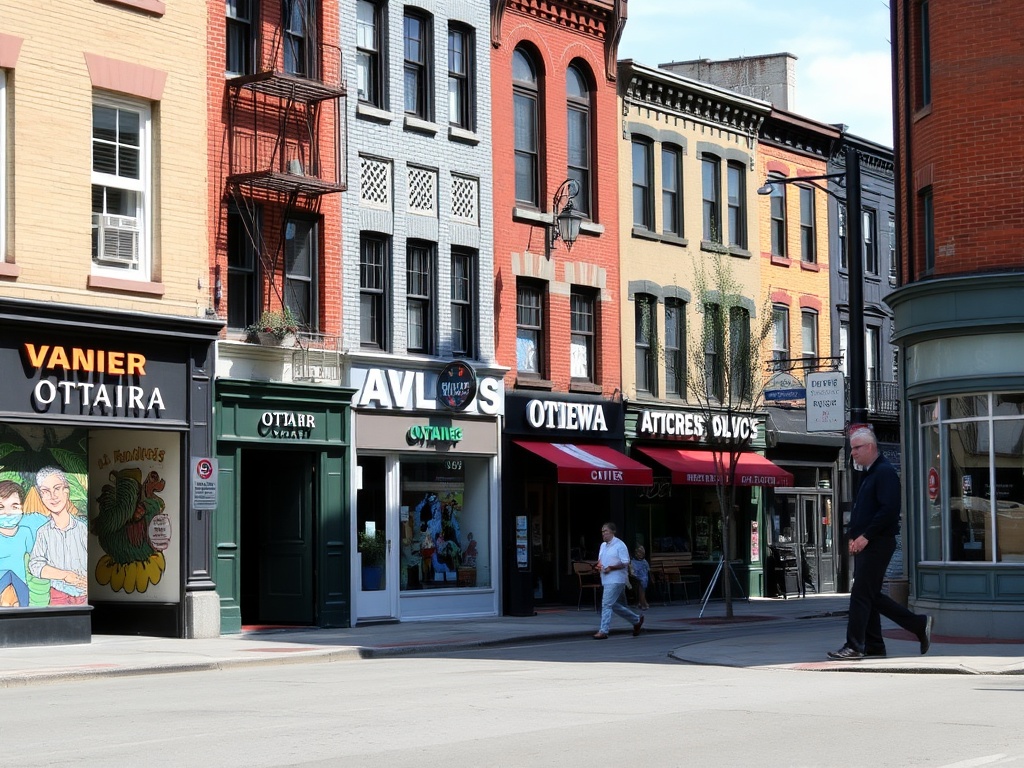
Vanier is one of Ottawa’s oldest francophone communities, but it’s not frozen in time. It’s evolving—sometimes unevenly, sometimes loudly—but always honestly.
You’ll notice it immediately: older duplexes beside new builds, long-time residents next to newcomers, and a mix of cultures that don’t feel curated. This is not a neighborhood that performs for visitors. It exists whether you show up or not.
If you come in expecting a "hidden gem," you’ll miss the point. Vanier is not hidden. It’s just overlooked.
How to Navigate the Area Without Wasting Time
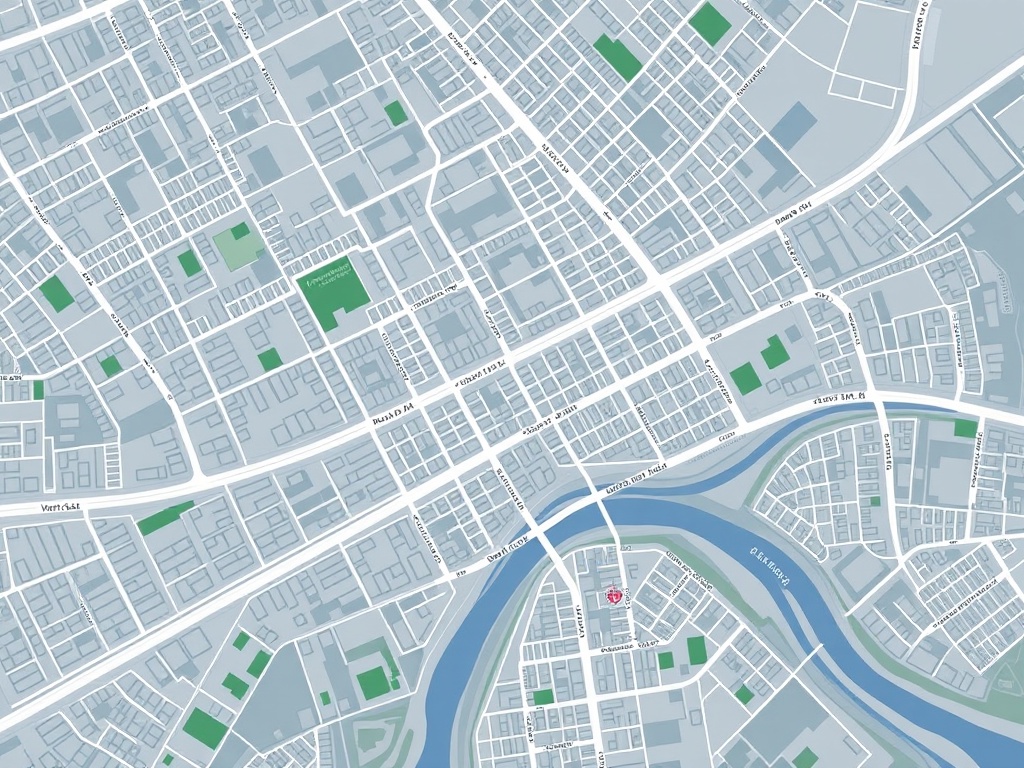
The backbone of Vanier is simple once you understand it:
- Montreal Road — gritty, busy, and full of local businesses
- Beechwood Avenue — cleaner, more polished, but still local
- Rideau River paths — your reset button when the city noise builds up
Most visitors make the mistake of sticking to one street. Don’t. The contrast between these areas is the experience.
Where to Eat: No-Nonsense Local Picks
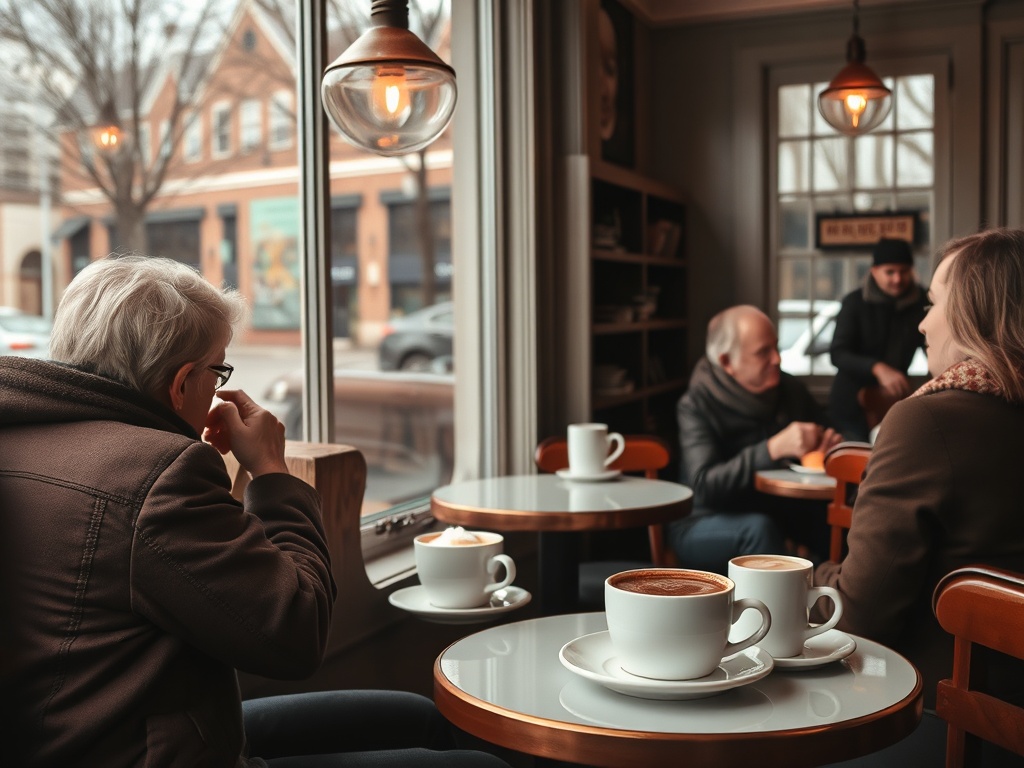
Vanier’s food scene isn’t curated for Instagram. That’s a good thing. It means you’re getting consistency, not hype.
Look for places that have been there for years. The kind where menus don’t change every season and staff remember faces. You’ll find:
- Classic casse-croûte spots serving poutine that doesn’t try to reinvent itself
- Family-run bakeries with strong Quebec roots
- Low-key international spots that quietly outperform trendier neighborhoods
If a place looks slightly worn-in but busy, you’re in the right spot.
Hidden Corners Worth Your Time
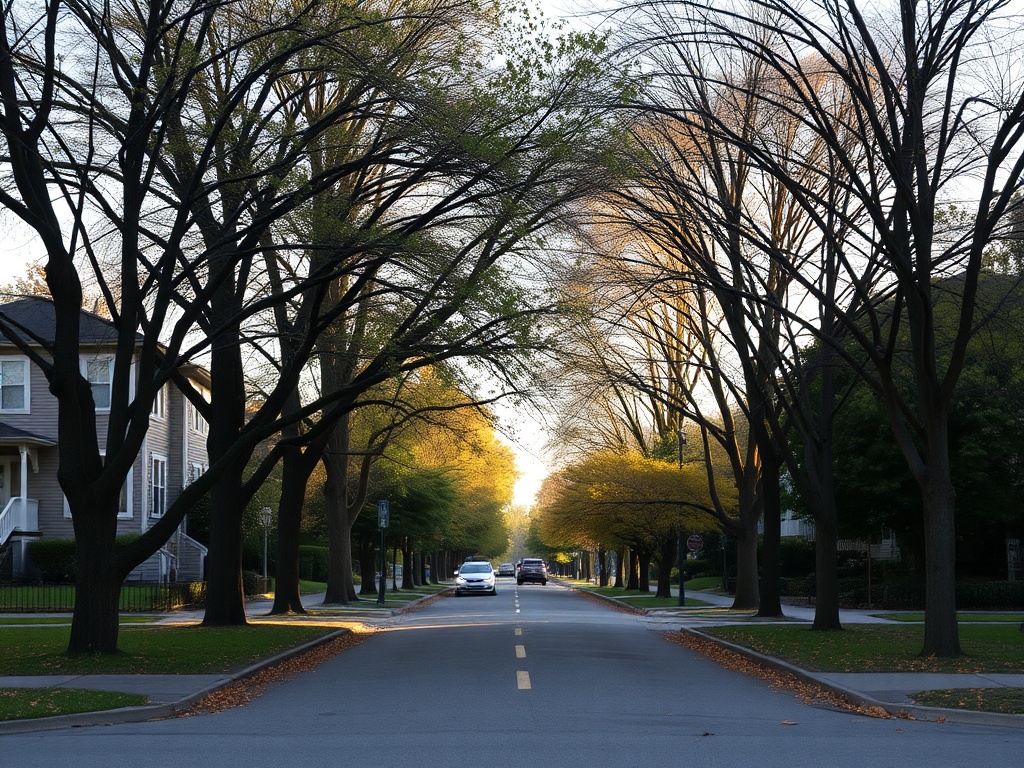
Vanier rewards wandering—but not randomly. You need to slow down and notice patterns.
Look for:
- Side streets just off Montreal Road where the pace drops immediately
- Small parks that feel like extensions of people’s backyards
- Murals and subtle public art that aren’t marked or explained
This is where Vanier shifts from “place you pass through” to “place you understand.”
The Rideau River: Your Built-In Escape
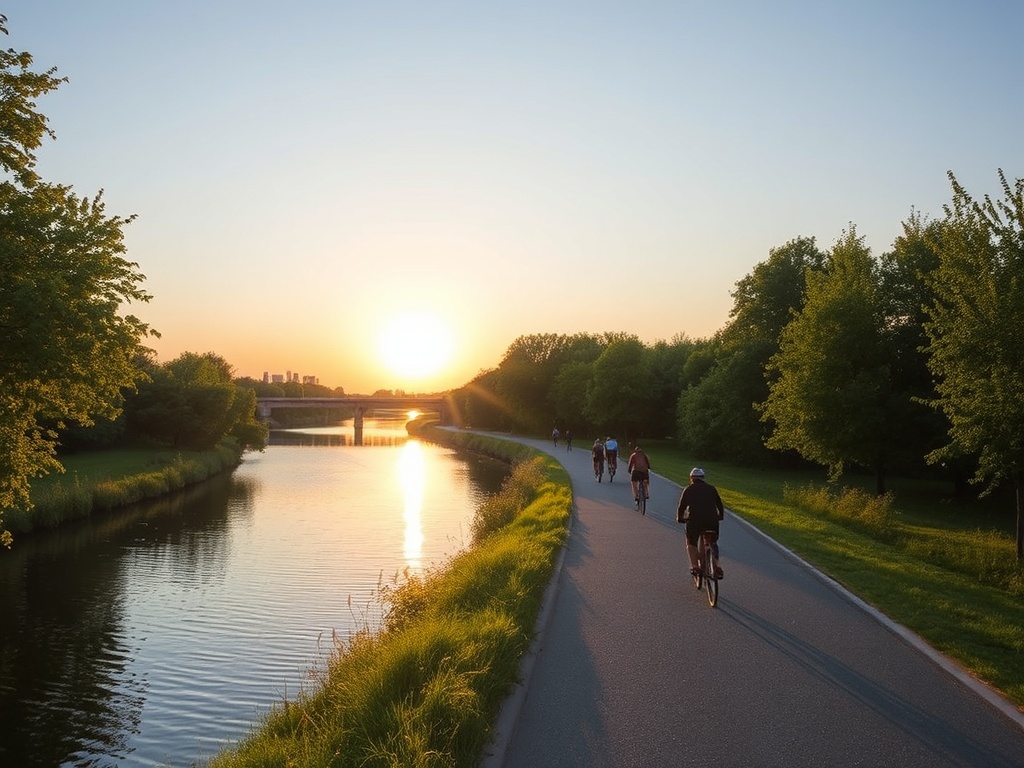
One of Vanier’s biggest advantages is something people forget to use: the river.
The Rideau River paths give you instant access to quiet, space, and perspective. Within minutes, the noise of Montreal Road disappears.
Walk, bike, or just sit. If you’re only doing one reset during your visit, make it here.
What Most Guides Get Wrong About Vanier
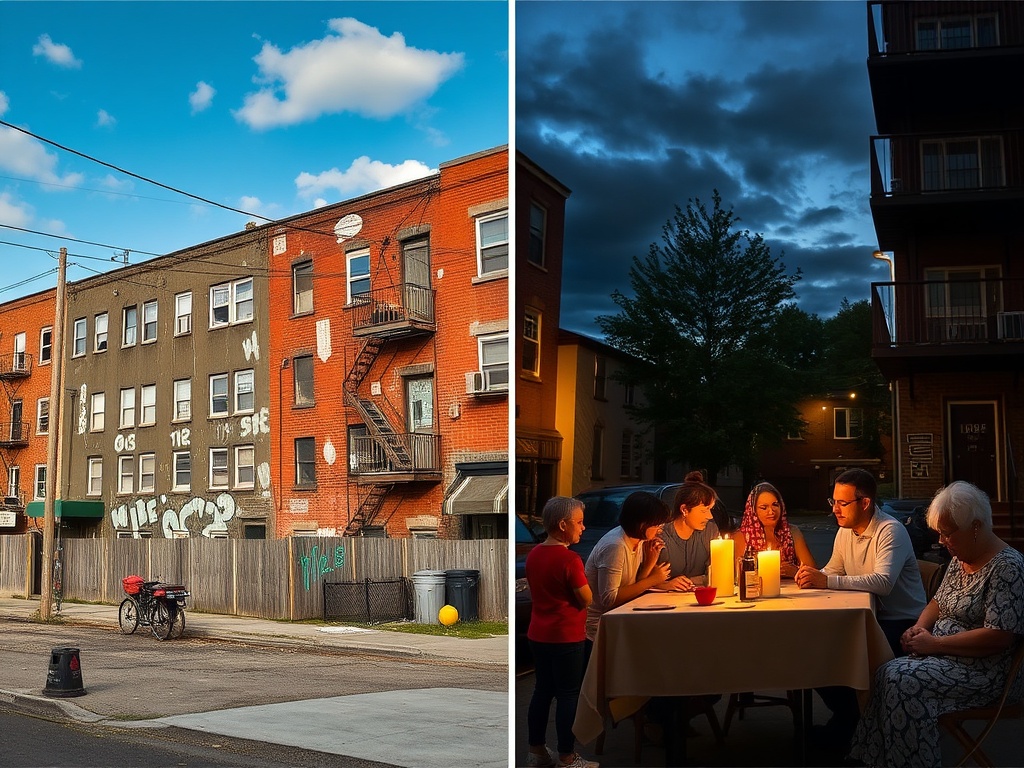
Most guides either oversell or undersell Vanier. Both are useless.
Here’s the reality:
- It’s not polished—and that’s part of its identity
- It’s not dangerous—but it is direct and unfiltered
- It’s not trendy—but it is evolving
If you approach it like a checklist destination, you’ll leave unimpressed. If you treat it like a living neighborhood, you’ll see what most people miss.
How to Spend a Full Day in Vanier
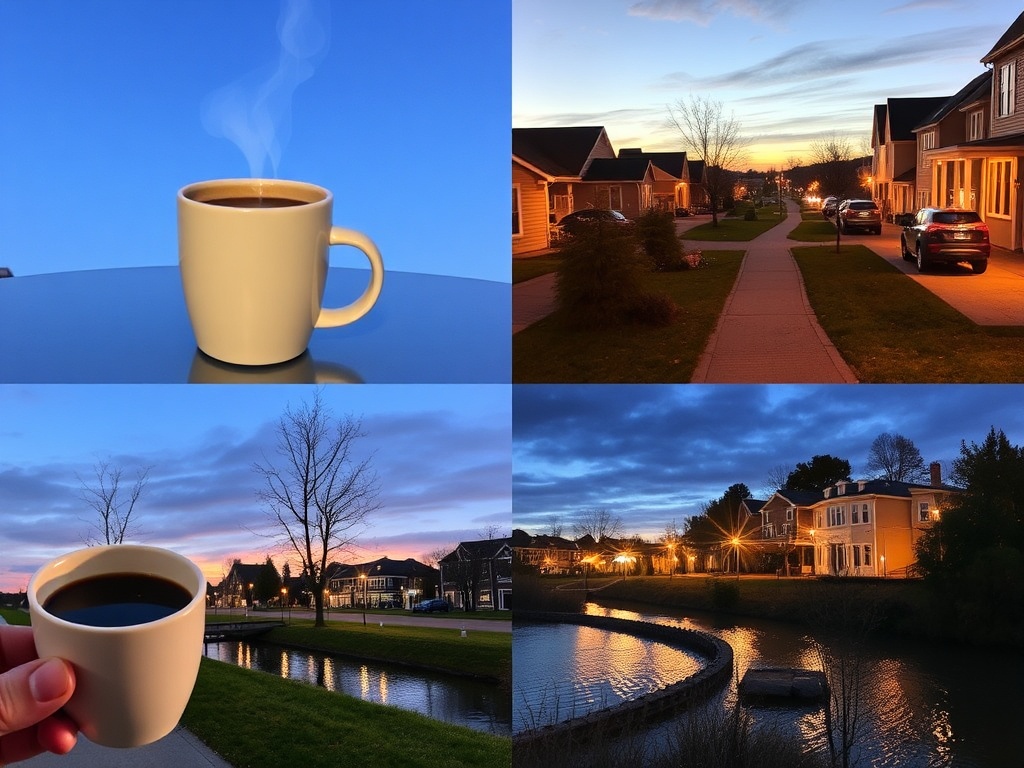
Morning: Start slow. Coffee, pastry, and a walk along Beechwood. Watch how the neighborhood wakes up.
Midday: Move toward Montreal Road. Grab lunch somewhere busy and unpretentious. Walk side streets after.
Afternoon: Reset at the Rideau River. This is where the day balances out.
Evening: Come back for a low-key dinner. Nothing flashy. That’s the point.
Final Thought: Why Vanier Stays With You
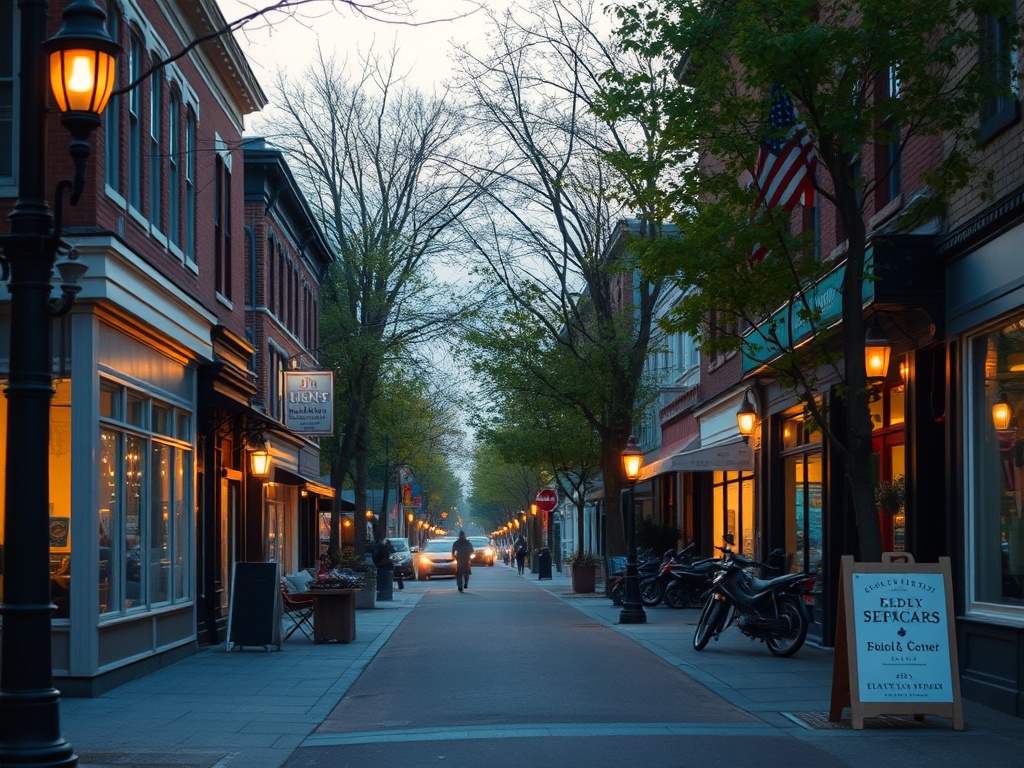
Vanier doesn’t try to impress you. That’s why it works.
You leave with details, not highlights. A conversation you overheard. A bakery you didn’t plan to find. A street that felt unexpectedly calm.
That’s the difference between visiting a place and actually experiencing it.
If you want the version of Ottawa that feels human, not curated, Vanier is where you go.