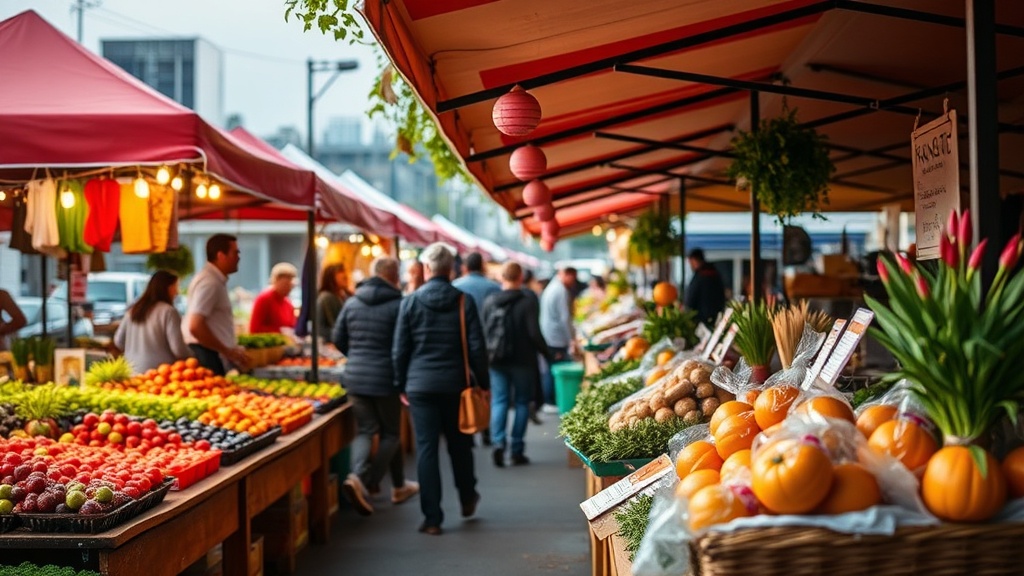
Finding the Best Local Deals at the Vanier Saturday Market

Over 60% of local produce sold in community markets across Ontario and Quebec is sourced from within a 250-kilometer radius. This guide breaks down how to secure the best prices, find the highest quality seasonal goods, and time your visits to the Vanier Saturday Market to save money. You'll learn which vendors offer the best value and how to avoid the common mistakes that lead to overspending.
When is the Best Time to Shop the Vanier Saturday Market?
The best time to shop is between 8:30 AM and 9:30 AM to secure the freshest-looking produce and the first pick of limited-stock items. If you're looking for the absolute lowest prices, arriving closer to 11:30 AM can work, but you run the risk of everything being sold out. Early birds get the best selection of heirloom tomatoes or organic leafy greens—the stuff that sells out fast.
Most vendors arrive early to set up their displays. By the time the general crowd hits the streets, the "prime" inventory is often already gone. It's a bit of a trade-off. You can either have the widest selection or the deepest discounts. There isn't much middle ground here.
Keep an eye on the weather. A rainy morning might drive prices down as vendors try to clear stock, but it's a gamble. You might end up with a great deal on strawberries, or you might just end up wet and disappointed. Most local farmers rely on Canadian agricultural standards to ensure their goods are top-tier, but their inventory is subject to the whims of the local climate.
How Much Does a Typical Grocery Run Cost at the Market?
A typical grocery run for a single person or a small family usually costs between $30 and $50 if you focus on seasonal produce and staples. Prices vary wildly depending on what's currently in season. For example, berries are cheap in July but will cost you a premium in May. It's all about the seasonality of the region.
Here is a rough breakdown of what you can expect to pay for common items at a local market compared to a standard supermarket:
| Item | Estimated Market Price | Estimated Supermarket Price | Value Verdict |
|---|---|---|---|
| Organic Eggs (Dozen) | $5.00 - $7.00 | $6.50 - $8.50 | High Value |
| Seasonal Berries (Pint) | $4.00 - $5.00 | $6.00 - $7.00 | High Value |
| Artisan Sourdough Loaf | $6.00 - $8.00 | $5.00 - $7.00 | Quality over Cost |
| Local Honey (Jar) | $10.00 - $12.00 | $8.00 - $10.00 | Niche Item |
It's worth noting that while the unit price on a bag of potatoes might look higher at the market than at a big-box retailer, the flavor profile and lack of preservatives often make the difference. If you want to master the art of the budget, you should also look into getting your grocery shopping done in Vanier on a budget. It's a smart way to supplement your market finds.
Don't forget to check the "ugly" produce bins. Many vendors sell slightly bruised or oddly shaped vegetables at a fraction of the cost. These are perfect for soups or smoothies where appearance doesn't matter. It's a great way to reduce food waste while keeping your wallet heavy.
What Should You Bring to the Market?
You should always bring reusable bags, cash, and a sturdy-looking tote for heavier items like melons or squash. Relying on plastic bags from a vendor is a hassle—and frankly, it's bad for the environment. Most vendors prefer when you come prepared with your own gear.
Here are the essentials for a successful trip:
- Canvas Totes: Better for heavy vegetables and won't tear as easily as paper.
- Small Change: Many vendors are cash-only or have a minimum for card transactions.
- Reusable Produce Bags: Great for loose items like garlic or small onions.
- A Cooler Bag: If you're buying dairy or meat, you'll want to keep it cold during the walk home.
I've seen people show up with a single small bag and try to balance a dozen eggs, a loaf of bread, and a heavy watermelon. It never ends well. Bring a backpack or a sturdy tote. It makes the walk back much more pleasant.
Which Vendors Offer the Best Value?
The best value is found at the vendors specializing in "staple" crops like root vegetables, leafy greens, and seasonal fruits. While the artisan bread or handmade soaps are lovely, they aren't the items that will build a pantry. Focus your spending on the producers who sell bulk quantities.
Look for the vendors who also sell to local restaurants. These producers often have the most consistent quality and the most competitive pricing because they operate at a higher volume. You can often find them near the edges of the market layout where they have more room for displays.
If you find a vendor you love, buy a little extra when the price is right. If you find a vendor selling high-quality maple syrup or local honey, grab a jar. These are items that won't spoil quickly and are much cheaper to buy at the source than at a specialty boutique. It's a way to stock up for the winter months. If you're interested in exploring more of the local food scene, you might enjoy reading about savory bites across Vanier's most iconic eateries to see how local ingredients are used in professional kitchens.
One tip: ask the vendors about their "end of season" or "end of day" specials. Sometimes, if a vendor has a lot of spinach left and the market is closing in thirty minutes, they'll give you a significant discount just to move the inventory. It's a win-win for everyone.
"The best way to support a local economy is to buy directly from the person who grew the food. You aren't just buying a product; you're investing in the community's future."
A lot of people think they can't afford to shop local because of the perceived "premium" price. That's a misconception if you shop seasonally. When you buy what is currently growing in the region, you're getting the best price and the best nutrition. It's a simple matter of timing.
Don't be afraid to ask questions. If you aren't sure how to cook a certain type of squash or how long those radishes will last in your fridge, just ask. Most vendors are experts in their specific niche and are more than happy to share their knowledge. It's part of the market experience.
Lastly, keep an eye out for the small, independent producers. Sometimes the person with the simplest-looking stall has the most incredible, high-quality goods. They aren't spending money on flashy signage or elaborate displays—they're spending it on the quality of their produce. That's where the real deals are hidden.
Steps
- 1
Arrive early for the best selection
- 2
Bring your own reusable bags
- 3
Ask vendors about seasonal specials
- 4
Carry small change for cash transactions