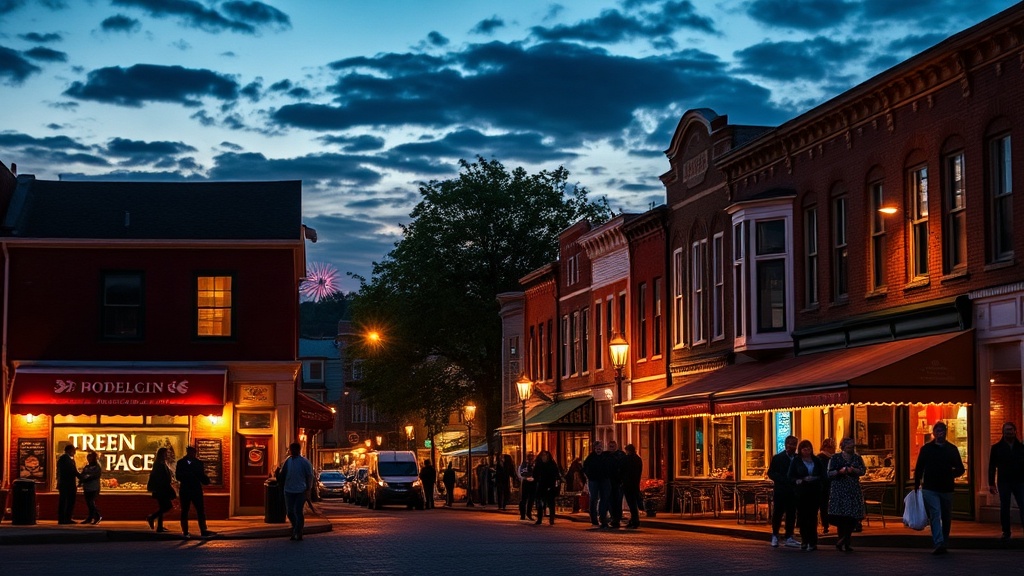
Exploring Vanier: A Hidden Gem of Franco-Ontarian Culture

Vanier sits just east of downtown Ottawa, often overlooked by tourists rushing to Parliament Hill or the ByWard Market. That's a mistake. This post covers what makes Vanier a genuine hub of Franco-Ontarian culture—where you'll find authentic French-Canadian cuisine, historic institutions preserving the language, and community spaces where bilingualism isn't just tolerated but celebrated. Whether you're a curious visitor or a local looking to explore your own backyard, here's what Vanier actually offers.
What Is Franco-Ontarian Culture and Why Does It Matter in Vanier?
Franco-Ontarian culture is the distinct French-speaking heritage of Ontario's approximately 600,000 francophones—Canada's largest French-speaking population outside Quebec. In Vanier, this isn't abstract history. It's daily life.
The neighborhood (once the separate town of Eastview) was built by working-class French-Canadian families who came to Ottawa for construction work, civil service jobs, and opportunities along the Rideau Canal. Many spoke little English. They built churches, schools, and social clubs where French thrived. Today, Vanier remains one of the most bilingual neighborhoods in the capital region—roughly 45% of residents speak both official languages, compared to Ottawa's average of 37%.
Here's the thing: Franco-Ontarian identity differs from Quebecois culture. It's more defensive (fighting assimilation pressures for generations) and more hybrid. You'll hear joual influences mixing with English loanwords. You'll see poutine on menus alongside shawarma—a very Ottawa combination. Vanier showcases this unique blend without pretension.
Worth noting: the Ontario Ministry of Francophone Affairs recognizes Vanier as a key cultural anchor for the province's francophone communities.
Where Can You Experience Authentic Franco-Ontarian Food in Vanier?
You'll find it along Montreal Road and Beechwood Avenue—streets lined with family-run bakeries, butcher shops, and diners that have served the community for decades.
Stella Luna Gelato Café draws crowds for artisanal gelato, but locals know the real gem sits across the street at Boulangerie du Village. Their tourtière (traditional meat pie) follows a recipe unchanged since 1987—pork, veal, and potatoes seasoned with cloves and cinnamon, wrapped in lard-based pastry. It's not fancy. It's correct.
For breakfast, Le Foubrac serves crêpes bretonnes that would pass muster in Rennes—thin, slightly crispy at the edges, filled with ham and Gruyère or goat cheese and spinach. The coffee comes strong. The service comes in French first, English if needed. That's the Vanier way.
The catch? Some of the best spots have no websites. Chez Lucien—a pub famous for poutine using St-Albert cheese curds (squeaky, fresh, never refrigerated)—relies on word-of-mouth. You'll need to walk the neighborhood, peek at menus taped to windows, and trust your instincts.
Don't skip Marcelle's Kitchen for tarte au sucre (sugar pie) or Art-Is-In Bakery—though technically in the neighboring Flats, it's become a Franco-Ontarian institution for sourdough and weekend brunch queues that wrap around the block.
| Restaurant | Specialty | Price Range | Language of Service |
|---|---|---|---|
| Boulangerie du Village | Tourtière, pastries | $ | French/English |
| Le Foubrac | Crêpes bretonnes | $$ | French preferred |
| Chez Lucien | Poutine, craft beer | $$ | Bilingual |
| Stella Luna Gelato | Artisanal gelato | $ | English/French |
| Art-Is-In Bakery | Sourdough, brunch | $$ | English dominant |
Which Cultural Institutions Keep Franco-Ontarian Heritage Alive?
The Centre d'accueil et d'établissement de l'Est de l'Ontario (CAEO) and La Nouvelle Scène theater serve as community anchors—but the heartbeat sits at Richelieu-Vanier Community Centre.
La Nouvelle Scène, located on King Edward Avenue, produces French-language theater that tours provincially. Their programming swings from classic Gratien Gélinas revivals to contemporary Franco-Ontarian playwrights like Andrée Lacelle and Daniel Poliquin. Tickets run $25-40. The intimate 120-seat venue means you're close enough to see the actors sweat.
Every June, Vanier hosts Festival franco-ontarien events—though the main festival has moved to larger Ottawa venues, Vanier still organizes la St-Jean-Baptiste celebrations on June 24th. That's the national day of Quebec and Franco-Ontarians. Expect live music from bands like Les Surveillantes or Lesse, family activities, and plenty of flag-waving (the Franco-Ontarian flag—green and white with a trillium and fleur-de-lis).
The Vanier Museopark (yes, one word) operates from a heritage building on MacKay Street. Their archives hold photographs of Vanier's transformation from Eastview—shacks and dirt roads in the 1920s to a bustling francophone suburb by the 1960s. Admission is pay-what-you-can. The exhibits rotate, but the permanent collection on francophone education in Ontario (including the fight for French-language schools) provides context most history classes skip.
That said, not everything requires institutional support. Walk down Marier Avenue on a summer evening. You'll hear French spoken on porches, see Les Canadiens flags flying beside maple leaves, catch pickup hockey games at Marier Park where trash talk flows in both languages. This is living culture—not museum pieces.
Language and Daily Life
Vanier's bilingualism works differently than Ottawa's Glebe or Westboro neighborhoods. Here, French isn't a resume asset or cosmopolitan accessory. It's survival, heritage, and community cohesion.
The Conseil des écoles catholiques du Centre-Est operates several French-language schools in Vanier, including École secondaire catholique Béatrice-Desloges—named for a 19th-century religious sister who founded French Catholic education in the region. These schools serve francophone families who've fought for decades to maintain education rights outside Quebec.
Local businesses reflect this reality. Caisse Alliance (the credit union) operates bilingually by default. The Vanier Library stocks French bestsellers alongside English titles. Even the LCBO on Montreal Road employs staff who switch languages mid-sentence without thinking—code-switching as natural as breathing.
Getting There and Getting Around
Vanier connects to downtown Ottawa via the Transitway (rapid bus transit)—Routes 5, 6, and 14 run frequently. Cycling works too; the Somerset Street bike lane extension crosses the Rideau River into Vanier's western edge. Driving presents parking challenges near Montreal Road's commercial strip, but residential side streets offer free two-hour spots.
The neighborhood rewards walking. Start at the Montreal Road and Vanier Parkway intersection, head east toward the Beechwood Cemetery (final resting place of several francophone political figures including former Ottawa mayors), then loop back through residential streets lined with duplexes and triplexes built for the post-war boom. You'll spot architectural details—wrought-iron balconies, steep gables, colorful trim—that distinguish Vanier from Ottawa's more anglophone suburbs.
"Vanier isn't trying to be the ByWard Market's little brother. It's got its own thing happening—French, working-class, unpretentious. That's the appeal."
Accommodation options remain limited—this is a residential neighborhood, not a tourist district. The Holiday Inn & Suites Ottawa Kanata sits nearby, but for authentic experience, consider Airbnb rentals in the Queenswood Heights or Village des Épinettes areas. You'll live among locals, shop at their grocery stores (Super C and IGA both operate French-dominant locations), and experience Vanier as residents do.
The neighborhood faces challenges—gentrification pressures from downtown expansion, affordability crises hitting longtime francophone families, debates over development along the Trillium Line (Ottawa's light rail extension, which will include a Vanier station by 2027). These tensions mirror what French-speaking communities face across Ontario: preserving culture while adapting to economic realities.
Vanier rewards visitors who look beyond Ottawa's postcard attractions. No Parliament views here. Instead, you'll find honest food, living history, and a community that maintains its French-speaking identity through stubbornness and pride—a very Franco-Ontarian combination.